

.jpg)




Did you know that your diet plays a crucial role in maintaining strong bones? Osteoporosis, a condition that weakens bones and increases the risk of fractures, affects millions of people worldwide. Fortunately, adopting a healthy diet for osteoporosis can help prevent and manage this condition. By making smart food choices, you can support your bone health and reduce the likelihood of developing osteoporosis.
In this article, we'll explore the key foods that contribute to strong bones and a healthy skeleton. We'll dive into calcium-rich options that build bone density, discuss vitamin D sources that boost calcium absorption, and highlight protein-packed foods that support bone structure. Additionally, we'll take a look at foods to limit for optimal bone health. By the end, you'll have a clear understanding of how to create a diet that keeps your bones strong and resilient throughout your life.
Calcium-Rich Foods for Bone Health
Calcium plays a crucial role in maintaining strong bones and preventing osteoporosis. To support bone health, it's essential to consume calcium-rich foods regularly. Let's explore some excellent sources of this vital mineral.
Dairy Products
Dairy products are well-known for their high calcium content. Milk, yogurt, and cheese are top sources, providing between 150 to 305 mg of calcium per serving. Greek yogurt and cottage cheese with fruit are delicious ways to boost calcium intake. Cheese varieties like cheddar, Edam, and gouda are particularly calcium-rich. For instance, a small matchbox-sized portion (30g) of cheddar cheese can significantly contribute to your daily calcium needs.
Leafy Greens
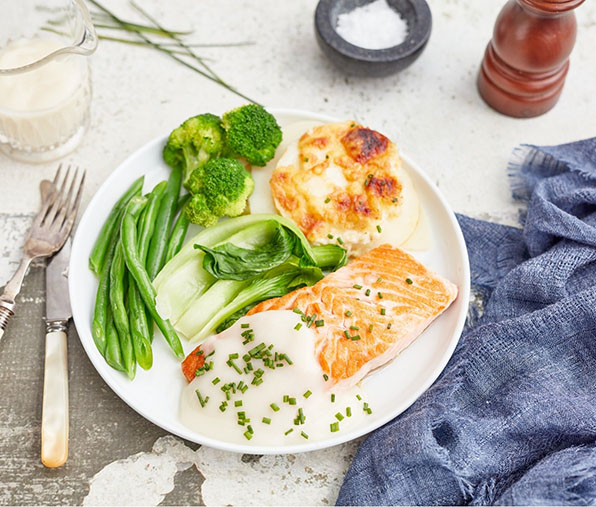
While dairy is a common calcium source, leafy green vegetables also pack a calcium punch. Collard greens, kale, and broccoli are excellent options. A large portion (110g) of steamed broccoli provides a substantial amount of calcium. Other calcium-rich greens include Chinese cabbage, Bok choy, and watercress. It's worth noting that while spinach contains calcium, it also has oxalates that can hinder absorption, making it less effective as a calcium source.
Fortified Foods
Many foods are fortified with calcium to help meet daily requirements. Breakfast cereals, plant-based milk alternatives, and some fruit juices often have added calcium. For example, calcium-fortified soy milk can contain 350 to 400 mg of calcium per one cup serving, similar to cow's milk. When choosing fortified foods, it's important to check labels for calcium content and be mindful of added sugars, especially in plant-based milk alternatives.
Vitamin D Sources for Calcium Absorption
Vitamin D plays a crucial role in calcium absorption, making it essential for maintaining strong bones and preventing osteoporosis. While our bodies can produce vitamin D naturally when exposed to sunlight, dietary sources also contribute to meeting our daily requirements.
Sunlight Exposure
The sun is the primary source of vitamin D for most people. When our skin is exposed to ultraviolet B (UVB) rays, it triggers the production of vitamin D. To get enough vitamin D from sunlight, aim for 10-20 minutes of sun exposure on your face, hands, and arms daily, preferably before 10 AM or after 2 PM. However, it's important to be sun-smart and protect yourself from excessive UV radiation.
Fatty Fish
Oily fish are excellent dietary sources of vitamin D. Some of the best options include:
1. Salmon (wild-caught): 600-1000 IU per 100g
2. Salmon (farmed): 100-250 IU per 100g
3. Sardines (canned): 300-600 IU per 100g
4. Mackerel
5. Herring
6. Tuna
Including these fish in your diet can significantly boost your vitamin D intake and support calcium absorption.
Egg Yolks
Egg yolks are another good source of vitamin D, with each yolk containing about 20 IU. The vitamin D content in eggs can vary depending on factors such as the chicken's diet and sun exposure. Pasture-raised chickens often produce eggs with higher vitamin D levels, up to 3-4 times more than conventionally raised chickens.
In addition to vitamin D, eggs contain other nutrients that support bone health, including proteins that stimulate osteoblast proliferation and differentiation while inhibiting bone resorption. The yolk also contains bioactive components like lutein and zeaxanthin, which may indirectly support bone health by reducing oxidative stress and inflammation.
Protein-Packed Foods to Support Bone Structure
Protein plays a crucial role in maintaining strong bones and preventing osteoporosis. It makes up about 50% of bone volume and one-third of bone mass. Consuming adequate protein is essential for optimal bone health, especially for older adults who may be at higher risk of bone loss.
Lean Meats
Lean meats are excellent sources of protein that support bone health. Skinless chicken and other lean meats provide a healthy dose of protein to maintain bone density and tissue growth. Salmon and tuna are particularly beneficial as they also contain vitamin D, which helps the body process calcium. Including these protein-rich foods in your diet can contribute to stronger bones and reduce the risk of fractures.
Legumes
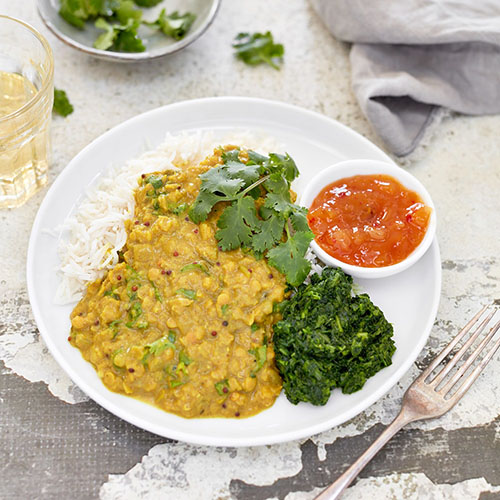
Beans, lentils, and peas are fantastic plant-based protein sources that contribute to bone health. These legumes have played an important role in traditional diets, especially in Asian countries. Studies have shown that consuming soybeans, mung beans, cowpeas, and azuki beans can improve bone formation markers and increase bone mineral density. Legumes also contain other nutrients like fibre and isoflavones, which may have additional benefits for bone health.
Nuts and Seeds
Nuts and seeds are nutrient-dense foods that provide protein, healthy fats, and minerals crucial for bone health. Almonds, sunflower seeds, and pistachios are ideal for osteoporosis prevention. A handful of nuts each day as a snack can promote bone health by providing essential nutrients like calcium and magnesium. Additionally, nuts and seeds offer a convenient way to increase protein intake, which is particularly important for seniors who may be at risk of muscle weakness and frailty.
Foods to Limit for Optimal Bone Health
While a balanced diet supports strong bones, certain foods and beverages can potentially hinder bone health when consumed in excess. It's important to be mindful of these items and moderate their intake for optimal bone strength.
High-Sodium Foods
High salt consumption has been lbox addthis_default_style ">
Tags: Vegan Meals Delivered, Vegetarian Meals Delivered, Plant Based Meals For Seniors, NDIS Approved Meals, NDIS Meals Delivered, Aged Care Meals Delivered, Plant Based Meals Delivered